
How WWE and AEW Event Weekends Became Part of Canada’s Bigger Sports Viewing Culture
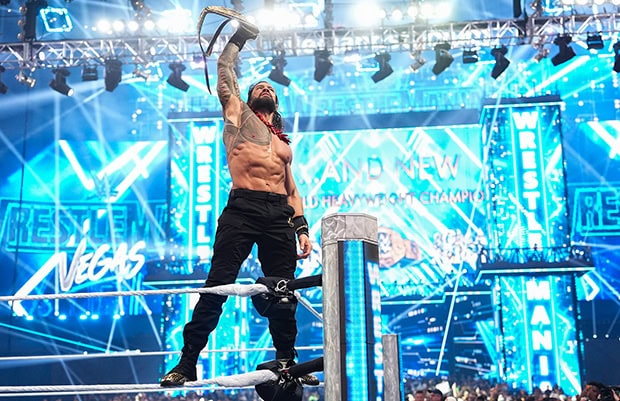
Roman Reigns raises the World Heavyweight Championship after defeating CM Punk for the title at WrestleMania 42 at Allegiant Stadium in Las Vegas, Nevada on April 19, 2026.
Professional wrestling is in a great spot at the moment, both in terms of global viewership and the level of competition shaking up a market that used to be a one-horse race. WWE’s deal with Netflix and AEW’s innovations in the formatting of its premium events are helping to bring in bigger and bigger audiences.
The knock-on effect is that countries like Canada, where wrestling fandom was already well-established, are beginning to integrate big weekends like WrestleMania into the wider culture of sports entertainment. Here’s an exploration of how this transition happened, and why the death of kayfabe has arguably helped pro wrestling get taken seriously by sports fans.
The Crossover Buzz
Pay-per-views, or more correctly, premium live events (PLEs) in modern WWE parlance, are nothing new. What makes their modern iteration unique compared with what came before is how closely they’re modelled on and integrated with other sporting events.
We’re seeing the crossover between WWE and UFC making particular waves in this context, given that both companies are under the same ownership umbrella. More recently, the tie-in with ESPN has made WWE’s major weekend events, including WrestleMania and Backlash, available to a wider audience in first-hour teaser form, creating Super Bowl-style levels of engagement and anticipation.
Cross-promotion of pro wrestling and sporting events, along with unified scheduling that sees these events take place over the same weekend, solidifies the relationship. It also means fans can coordinate their weekend of fun more easily. So, visiting this sports betting site to wager on MMA fights while also checking up on WWE and AEW match outcome predictions and PLE coverage is more convenient and feels more natural.
The Sports Star Tie-Ins
Tune into any major WWE event weekend, and you’ll doubtlessly see various celebrities in attendance, highlighted by brief appearances on camera as they’re given their due from their seats among the crowd. More and more, we’re seeing stars from other sports get the spotlight in this context, which again links pro wrestling to the wider sports-viewing culture.
Canada’s hosting of various PLEs, especially in major cities like Toronto, means home-grown sporting stars have enjoyed this type of attention. And with each appearance, there’s further legitimacy added to wrestling’s reputation among the yet-to-be-converted members of the casual at-home audience.
The Honesty of Performance
The last thing worth mentioning about how WWE and AEW event weekends became accepted into the pantheon of Canada’s sports viewing experience is how this transition was arguably made possible by pro wrestling getting more honest about how it actually operates.
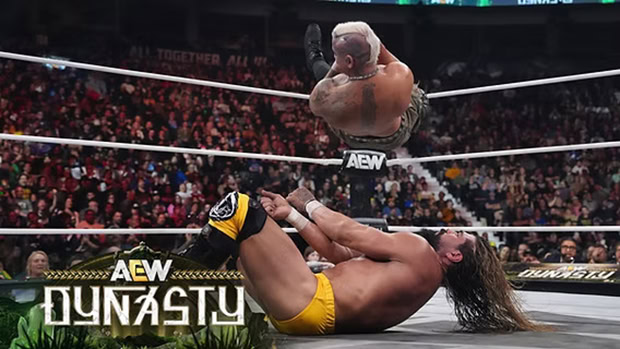
Darby Allin beat Andrade El Ídolo by pinfall at AEW Dynasty at the Rogers Arena in Vancouver, British Columbia, Canada on April 15, 2026.
AEW, in particular, has prioritized a style of wrestling that’s transparently a performance carried out by world-class athletes; one where physical prowess and storytelling take center stage. Rather than trying to pretend that the outcome isn’t predetermined, fans can instead focus on the legitimate skills of each performer and the limits they’re willing to push their bodies to.
In other words, modern Canadian fans now understand the sporting aspects of professional wrestling more fully, and can easily accept weekend events as part of the wider calendar of competitive face-offs. So, it’s good for everyone involved and keeps wrestling on the up-and-up.
-
-
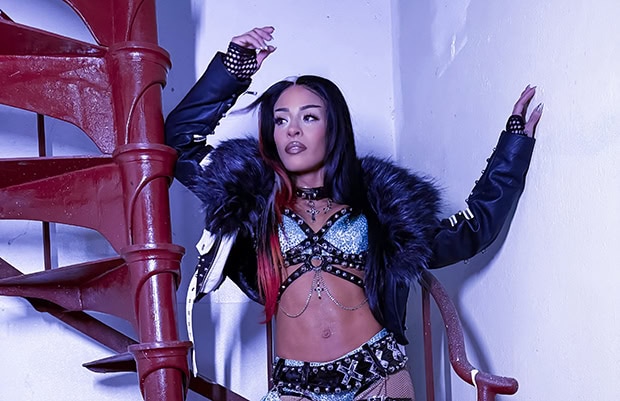
Hot Zelina Vega Photos
See these hot photos of Zelina Vega, an American professional wrestler who performed for WWE from 2017 to 2026. Following her departure from WWE in April 2026, she rebranded herself...
Tiffany Stratton Ass Photos
Tiffany Stratton is a badass with a great ass. Check out these hot photos of the WWE Superstar's sexy booty on display. Tiffany Stratton is an American professional wrestler, amateur bodybuilder,...
Hot Liv Morgan Photos
See these hot photos of Liv Morgan, an American professional wrestler and actress under contract to WWE who performs on the Raw brand. A member of The Judgment Day, she is the Women's...
-
Design Custom T-Shirt Graphics Fast With a Free AI Image Generator
Personalised T-shirt graphics are key to showcasing individuality, branding, and memorable merchandise. Dreamina AI simplifies the process of creating original artwork for apparel designs by utilizing text prompts, reference images,...

Create a Talking Detective Avatar for a Noir Crime Story
The city never sleeps, and neither does your detective. Noir lives on mood: a flickering streetlamp, a cigarette that never gets lit, and a narrator who sounds like he’s seen...

Everyday Signs That Your Hormones May Be Changing
Hormones can have a surprising influence on everyday life. They are involved in many of the body’s essential processes, including the menstrual cycle, sleep, energy, mood, appetite, and reproductive health....


0 comments