
Everyday Signs That Your Hormones May Be Changing
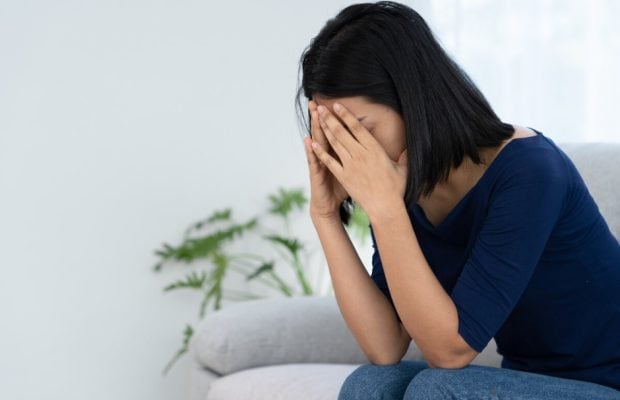
Hormones can have a surprising influence on everyday life. They are involved in many of the body’s essential processes, including the menstrual cycle, sleep, energy, mood, appetite, and reproductive health. Because hormone levels naturally change over time, it is not unusual for women to notice differences in how they feel from one stage of life to another.
The challenge is that hormonal changes can sometimes look like ordinary stress or the result of a busy lifestyle. A restless night, unexpected mood changes, or a shift in the menstrual cycle may seem insignificant on its own. When several changes continue at the same time, however, it can be useful to pay closer attention.
Your Menstrual Cycle Can Offer Useful Clues
The menstrual cycle is one of the most visible ways hormonal changes can appear. Cycle length, flow, cramps, and other symptoms can vary from month to month, but significant or persistent changes are worth noticing.
Keeping track of your cycle can help you understand your individual patterns. A simple calendar or health-tracking app can be enough to record when your period begins, how long it lasts, and any symptoms that occur before or during it.
Changes in cycle timing can happen for many reasons, including stress, changes in weight, illness, travel, medications, or natural hormonal fluctuations. Tracking these details gives you useful information to discuss with a healthcare professional if something becomes unusual.
Mood and Energy May Change Too
Hormones do not work independently from the rest of the body. Changes in hormonal balance can coincide with differences in mood, concentration, motivation, and energy.
Feeling tired after a demanding day is completely normal. Persistent fatigue, difficulty concentrating, or noticeable mood changes may deserve more attention, particularly when they continue despite getting enough rest.
It is important not to assume that hormones are automatically responsible. Sleep quality, nutrition, stress, physical activity, and other aspects of daily life can affect the way you feel. Looking at all these factors together provides a more realistic picture of overall well-being.
Paying Attention to Reproductive Health
Women may become especially interested in hormonal health when they are planning a pregnancy, monitoring ovulation, or experiencing changes in their reproductive cycle.
Hormones such as estrogen, progesterone, luteinizing hormone, and follicle-stimulating hormone are involved in different stages of reproductive function. Their levels naturally fluctuate throughout the cycle, which is why timing can matter when certain hormone measurements are performed.
For women who want additional information about their hormonal patterns, an at home hormone test can be one option to explore. Depending on the type of test, samples may be collected at home and analyzed to provide information about specific hormone levels.
Stress Can Make Things More Complicated
Modern life can make it difficult to distinguish hormonal changes from everyday stress. Work, relationships, parenting, lack of sleep, and major changes in routine can all influence how a person feels.
Long periods of stress may affect sleep and energy and can also coincide with changes in the menstrual cycle. This is why it can be helpful to consider lifestyle factors alongside any hormonal concerns.
Small habits can make a difference. Regular meals, consistent sleep, moderate physical activity, hydration, and opportunities to relax can all contribute to better overall health.
When Should You Talk to a Professional?
There is no single list of symptoms that automatically indicates a hormonal problem. Every woman is different, and normal hormone levels can vary depending on age, menstrual cycle stage, pregnancy status, medications, and other factors.
A conversation with a healthcare professional may be appropriate when symptoms are persistent, interfere with daily activities, or represent a noticeable change from your usual pattern. Irregular periods, unexplained changes in energy, significant mood changes, or concerns about fertility are examples of issues that may be worth discussing.
Keeping notes about symptoms can make an appointment more useful. Instead of relying on memory, you can bring information about your cycle, sleep, energy, and other changes you have noticed.
Understanding Your Body Takes Time
Hormonal health is not about finding an explanation for every bad day. Bodies naturally change, and occasional fluctuations are part of being human. The more useful approach is to recognize persistent patterns and become comfortable asking questions about them.
Paying attention to your menstrual cycle, energy, mood, sleep, and reproductive health can help you become more aware of your body. When something seems different for an extended period, professional guidance can provide clarity.
Taking an informed approach to hormonal health does not require complicated routines. Sometimes, it starts with something as simple as noticing a pattern, writing it down, and deciding that your health deserves a closer look.
You may also like...

-
-

Hot Jaida Parker Photos
See these hot photos of Jaida Parker, an American professional wrestler and former collegiate soccer player under contract to WWE who performs on the NXT brand. Prior to joining WWE,...
Sol Ruca Ass Photos
Sol Ruca is a badass with a great ass. Check out these hot photos of the WWE Superstar's sexy booty on display. Sol Ruca is an American professional wrestler, below-average surfer,...
Breast Of Mercedes Moné
See the breast of Mercedes Moné, an American professional wrestler, actress and artist under contract to All Elite Wrestling (AEW). She wrestles for AEW under the ring name “The CEO”...
-
Everyday Signs That Your Hormones May Be Changing
Hormones can have a surprising influence on everyday life. They are involved in many of the body’s essential processes, including the menstrual cycle, sleep, energy, mood, appetite, and reproductive health....

How Professional Wrestling Has Evolved: From Regional Promotions to a Global Entertainment Industry
Professional wrestling didn’t start out as a billion-dollar spectacle beamed into living rooms across six continents. It started small. Territorial, even. And the journey from smoky armories to sold-out stadiums...


0 comments